What Is Sleeve Gastrectomy and How Is It Performed?
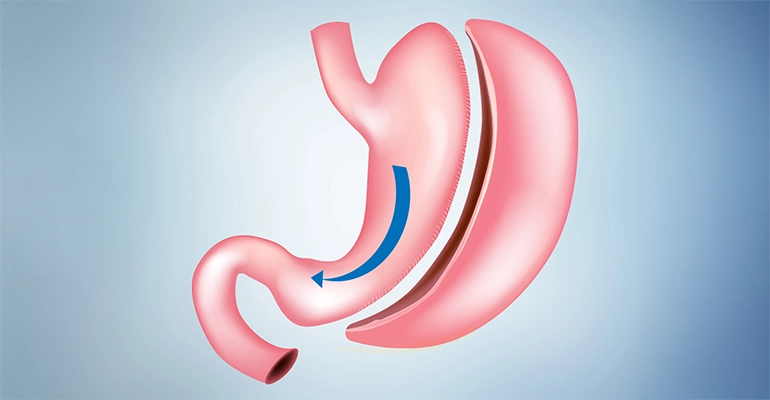
Sleeve gastrectomy is a surgical method used in the treatment of obesity. During this procedure, a large portion of the stomach is removed and reshaped into a small tube. This reduces the amount of food the stomach can hold, helping the person feel full more quickly. The surgery is usually performed laparoscopically, meaning it is done through small incisions in the abdominal area.
A thorough pre-operative evaluation is conducted to determine the most suitable surgical approach for the patient. The operation is typically done under general anesthesia, and discharge may be possible as early as the next day. Recovery time varies from person to person but is generally quick.
This surgery not only promotes weight loss but also helps improve obesity-related health conditions. However, like all surgical procedures, it carries certain risks, making medical supervision and guidance essential. If you’re curious about how sleeve gastrectomy is performed, consult your specialist for detailed information.
Lifestyle Changes After Sleeve Gastrectomy
Lifestyle changes following sleeve gastrectomy can create lasting and positive effects in your life. This operation leads to not just physical, but also emotional and mental transformation. Significant changes in eating habits may be required.
After surgery, it’s important to eat smaller portions. Consuming more protein will help your body meet its nutritional needs. You should also pay attention to your hydration habits.
Incorporating physical activity into your routine is equally important. Starting with light exercises and gradually making exercise a daily habit will support weight loss and improve overall health.
Psychological support is also something to consider after the surgery. Emotional ups and downs are normal during this process, so it’s important to manage them wisely. Be kind to yourself and patient as you adapt to your new lifestyle.
What Kind of Diet Should Be Followed After Sleeve Gastrectomy?
Following an appropriate diet after sleeve gastrectomy is crucial. Keep in mind that your digestive system will be sensitive during this time, so be mindful of what you eat. In the initial days, it’s usually recommended to start with liquid foods. These may include water, broth, and easily digestible options like yogurt.
Gradually transitioning to solid foods, focus on those rich in protein. Foods like chicken, fish, and eggs provide the nutrients your new stomach structure needs. Fiber-rich foods can also support digestion and help you feel full longer.
It’s important to avoid sugary and fatty foods, as they may cause digestive discomfort. Don’t forget to drink enough water to keep your body hydrated. The best approach is to work with a nutritionist to create a personalized diet plan tailored to your needs.
What Are the Requirements for Sleeve Gastrectomy?
There are specific conditions and criteria for this procedure. Ideal candidates are usually individuals suffering from severe obesity or obesity-related health issues.
Doctors generally expect patients to attempt weight loss through non-surgical means before recommending surgery. Psychological evaluation is also important, as this is a serious decision with lifelong consequences.
A comprehensive health check is required before surgery. Tests such as blood work and EKGs are used to assess readiness for the operation. Smokers are usually advised to quit smoking before undergoing surgery.
Lastly, successful sleeve gastrectomy requires good communication between the patient and the surgeon. Understanding and following post-operative instructions is key to achieving the best results.
Exercise and Fitness Guide After Sleeve Gastrectomy
Exercise and physical activity after sleeve gastrectomy are essential parts of a healthy lifestyle. However, certain precautions must be taken during this period.
Begin with light, low-impact exercises as recommended by your doctor. Gradually increase your activity level without putting too much strain on your body.
It’s important to consult a professional trainer or physiotherapist when creating an exercise plan. They can help design a safe and effective routine tailored to your needs.
Alongside physical activity, staying hydrated is crucial. Drinking enough water keeps your body nourished and aids in nutrient absorption.
Following a balanced diet is equally important while exercising. A diet rich in protein, vitamins, and minerals will provide your body with the energy it needs.
Remember, exercising is not only essential for weight management but also for overall health. By incorporating the right type of physical activity, you can step into a healthier life after sleeve gastrectomy.
Sleeve Gastrectomy and Pregnancy: What Should You Know?
If you’re planning to become pregnant after sleeve gastrectomy, it is essential to stay in close contact with your doctor. To ensure both your health and your baby’s safety, take the necessary steps based on your specialist’s guidance. Remember, every body is different and should be assessed individually. Your health should always be your top priority!