What is Rhinoplasty?
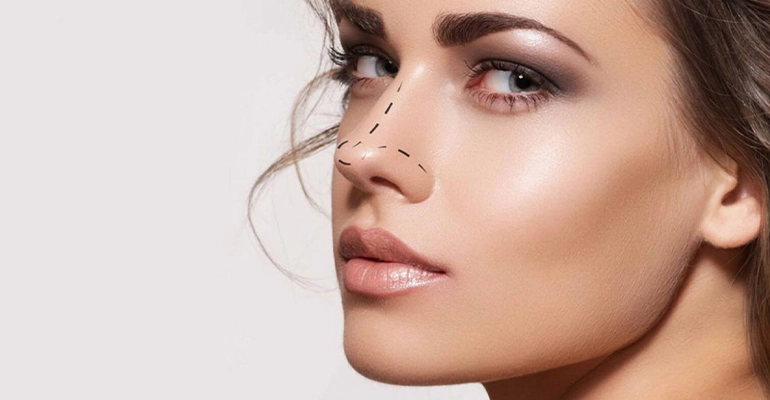
Rhinoplasty, medically known as nose surgery, is a surgical procedure aimed at correcting the shape, size, or improving the breathing function of the nose. This operation can address both aesthetic concerns and breathing problems.
Rhinoplasty surgeries are typically performed using two different methods: open and closed techniques. Open rhinoplasty involves making an incision not only inside the nose but also on the columella (the tissue between the nostrils), while closed rhinoplasty hides all incisions within the nose.
It is essential to undergo a detailed evaluation process before the operation. After the surgery, it is crucial to follow the prescribed care instructions to facilitate a proper recovery. Some side effects and complications may arise after the surgery, but with appropriate intervention from a specialist, these issues can be minimized.
The primary principle of rhinoplasty is to achieve a natural and balanced appearance that harmonizes with the individual’s facial features. Therefore, it is important to have open communication with your surgeon regarding realistic expectations before the surgery.
Rhinoplasty Techniques: Open and Closed Methods
Nose surgery is generally performed using two different techniques: open and closed.
The open rhinoplasty technique involves an incision made in the area between the nostrils. This method provides greater visibility underneath the skin, allowing for more detailed procedures. Closed rhinoplasty, on the other hand, hides all incisions within the nose, resulting in less visible scarring.
Both techniques have their unique advantages. In open rhinoplasty, increased visibility makes it easier for the surgeon to perform detailed work, while closed rhinoplasty has the potential for less scarring during the recovery process.
The choice of which method to use depends on the patient’s anatomy and desires. Your plastic surgeon will guide you in selecting the most suitable technique for your rhinoplasty.
Preparation for Rhinoplasty Surgery: Process and Recommendations
The preparation process before rhinoplasty surgery is very important. The first step is to undergo a general health check. Your doctor will perform blood tests and other medical evaluations to determine if you are suitable for surgery.
It is crucial to stop smoking at least two weeks before the operation, as smoking can negatively affect the healing process. Additionally, you should pay attention to medication usage according to your doctor’s instructions.
On the day of the surgery, wearing comfortable clothing and avoiding makeup will help you feel more at ease. You may need support after the surgery, so it’s a good idea to have a friend or family member accompany you home.
You should also pay attention to food and drink restrictions to ensure you are fully prepared for the surgery. By properly following all these steps, you can ensure that you are better prepared for rhinoplasty.
Recovery Process and Care After Rhinoplasty Surgery
The recovery process after rhinoplasty surgery is very important. Swelling and bruising around the nose will gradually decrease over time. Regularly performing nose care as recommended by your doctor can help speed up the recovery process.
After the surgery, your doctor will likely place a cast or splint on your nose. It is essential to follow the usage instructions for these supportive devices. Additionally, it is necessary to keep your follow-up appointments as scheduled by your doctor.
Care for the surgical scars is also important during the recovery period. While scars typically fade over time, applying cream or lotion as recommended by your doctor can be beneficial.
You should also pay attention to your nutrition during the recovery process. Consuming protein-rich foods can aid in your body’s rebuilding process.
Regular use of medications prescribed by your doctor is also a crucial factor in the recovery process. If you have any doubts or concerns, be sure to consult your doctor.
Possible Side Effects and Complications of Rhinoplasty Surgery
Rhinoplasty, a popular method in nasal aesthetics, can be associated with certain potential side effects and complications, just like any surgical intervention.
Common side effects that may be observed during the postoperative period include swelling, bruising, pain, and temporary numbness. Most of these conditions heal quickly, but they may sometimes take longer.
Serious complications, although rare, can arise, such as bleeding, infection, or reactions related to anesthesia. It is important to report any such issues to your doctor immediately.
To minimize side effects and complications, it is essential to discuss details with your doctor before the operation and to strictly follow their instructions. Careful post-operative care and follow-up can also positively influence the recovery process.
In conclusion, while there are risks associated with rhinoplasty, when performed correctly, it can yield highly successful results.
Rhinoplasty and Revision Rhinoplasty: Differences and Necessary Situations
Sometimes, unexpected outcomes can arise after a rhinoplasty operation, which may necessitate a second procedure known as revision rhinoplasty. This type of surgery helps correct results that were not achieved in the first operation.
Regarding the differences, rhinoplasty is generally performed for aesthetic or functional purposes, while revision rhinoplasty is typically conducted in cases where the previous surgery was inadequate. If the first procedure failed or if undesirable changes occurred in the nose’s shape, revision rhinoplasty may be considered.
Necessary situations may include issues such as infection, complications during the healing process, and asymmetry. Decisions regarding revision surgery may also depend on the patient’s dissatisfaction with the results.
Given the complexity and risks associated with revision rhinoplasty, selecting an experienced surgeon is crucial. Patients should clearly express their expectations and share details with their doctors.
Expected Results and Realistic Expectations After Rhinoplasty Surgery
The topic of expected results and realistic expectations after rhinoplasty is one that every candidate is curious about. It may not be realistic to expect significant changes in the shape and appearance of the nose immediately after surgery.
The recovery process can vary from person to person and may require patience. The reduction of swelling and the fading of bruises can take time. Therefore, it is essential to have realistic goals.
Maintaining open communication with your doctor is also critical. Your doctor will inform you about how much of your expectations can be met based on what you discussed before the surgery.
Adhering to the necessary post-operative care guidelines can positively influence the recovery process.
In conclusion, achieving the ideal nose shape after rhinoplasty may take time and require patience. While each individual’s recovery process is different, you can progress in the right direction by following the instructions given by your doctor.
At What Age is Rhinoplasty (Nasal Aesthetics) Performed?
Rhinoplasty is generally recommended to be performed after the nose has fully developed, usually around the ages of 17 to 18. This age range represents a period when adolescents are physically and emotionally mature enough to make more informed decisions.
However, in some cases, early rhinoplasty may be necessary due to congenital or traumatic reasons. In such instances, it is essential for the surgeon to assess the patient’s physical and psychological maturity.
The most suitable age for rhinoplasty is when a person’s nasal structure has completed its development. This ensures that the aesthetic and functional results obtained from surgical intervention are long-lasting.
Since each individual is different, the optimal age determined for rhinoplasty may vary. Therefore, it is best to make a decision after a detailed assessment with a qualified plastic surgeon.
Health Tourism for Rhinoplasty: Rhinoplasty in Turkey
Health tourism for rhinoplasty has become quite popular in Turkey in recent years. The country has become a preferred destination for rhinoplasty surgeries due to its quality healthcare services and experienced surgeons. Foreign patients choose Turkey for its affordable prices and high-standard medical facilities.
Aesthetic surgery centers in Turkey hold international accreditations and prioritize patient satisfaction. Additionally, the tourist opportunities offered by the country enhance the treatment experience for patients. They can benefit from the amenities of city life and spend time in regions with unique natural beauty to relax after surgery.
Rhinoplasty operations in Turkey generally yield successful results, which is a significant factor in attracting foreign patients to undergo nasal aesthetic surgery in the country. In terms of health tourism, Turkey’s comprehensive services and professional approach to rhinoplasty procedures are gaining more interest every day.
What is Septorhinoplasty? Why Does it Occur?
Septorhinoplasty is a combination of septum surgery, which corrects deviations inside the nose, and rhinoplasty, which aesthetically adjusts the external appearance. This procedure can be performed for individuals who wish to correct a deviated septum and make changes to the aesthetics of their nose. Septorhinoplasty not only improves appearance but can also resolve breathing problems.