What is Hair Laser Treatment?
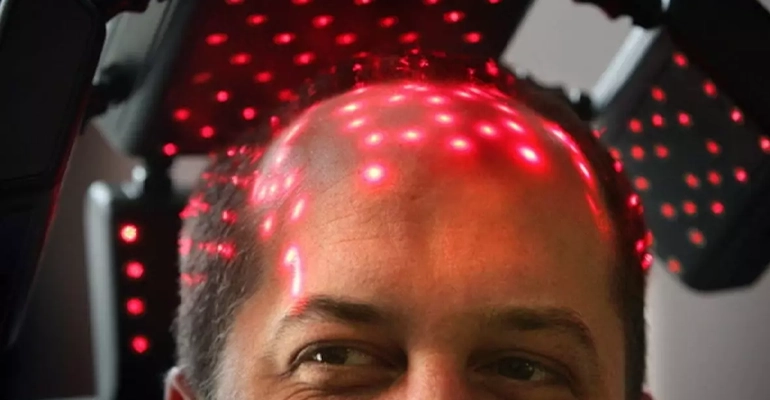
Hair Laser Treatment is a non-invasive therapy designed to combat hair loss and promote regrowth. It utilizes low-level laser light, which penetrates the scalp to stimulate hair follicles.
This innovative procedure helps increase blood circulation in the treated area. Enhanced blood flow delivers essential nutrients, fostering a healthier environment for hair growth.
Unlike traditional methods such as hair transplants or harsh chemical treatments, Hair Laser Treatment offers a gentler approach. Patients often report minimal discomfort during sessions.
It’s suitable for both men and women experiencing various types of hair thinning. Additionally, this method can be integrated with other therapies for improved results.
As technology evolves, so do solutions for common concerns like hair loss—making Hair Laser Treatment an exciting option worth exploring.
Mechanism of Action: How Laser Energy Stimulates Follicle Activity
Laser energy works by targeting the hair follicles with specific wavelengths of light. This process is known as photobiomodulation. When these wavelengths penetrate the scalp, they stimulate cellular activity in the follicles.
The laser light increases blood circulation in the area. Improved circulation delivers essential nutrients and oxygen to underactive follicles, promoting healthier hair growth.
Moreover, this stimulation triggers a cascade of biochemical reactions within the follicle cells. Increased ATP production boosts energy levels for cellular functions vital to hair regeneration.
In essence, laser therapy encourages dormant follicles to transition into an active growth phase. The result? Thicker and fuller hair over time as more strands enter their growth cycles simultaneously.
This non-invasive approach offers a gentle yet effective way to enhance natural hair density without harsh chemicals or surgical procedures.
Treatment Protocol: Session Frequency, Duration & Settings
When considering hair laser treatment, understanding session frequency and duration is essential. Typically, clients undergo treatments once a week for optimal results. This schedule allows the follicles to respond effectively to laser energy without becoming overstimulated.
Each session usually lasts between 20 to 30 minutes, depending on the area being treated. Smaller areas may require less time, while larger patches could take a bit longer.
Settings can vary based on individual needs and hair types. Professionals often adjust the laser’s intensity according to the patient’s specific scalp condition and desired outcomes.
Many clinics offer personalized treatment plans that cater specifically to each client’s hair loss pattern and goals. This tailored approach maximizes efficacy and leads to healthier results over time.
Key Benefits: Why Choose Laser Over Other Hair Therapies?
Laser hair treatment offers several advantages that set it apart from traditional methods. One significant benefit is its non-invasive nature. Unlike surgical procedures, laser treatments require no downtime and allow you to return to your daily routine immediately.
Another key advantage is the precision of lasers. They target specific areas without affecting surrounding skin, minimizing side effects and discomfort. This focused approach can lead to more effective results over time.
Additionally, laser therapy stimulates follicle activity at a cellular level, promoting natural hair growth in ways that topical treatments often can’t match. Patients frequently report thicker and healthier strands as a result of consistent sessions.
Moreover, many individuals find laser treatment more comfortable compared to other options like chemical solutions or invasive surgeries. The overall experience tends to be pleasant, making it a preferred choice for those seeking lasting results with minimal hassle.
Ideal Candidates: Who Sees the Best Results with Laser Hair Treatment?
Laser hair treatment offers promising results, but not everyone may be an ideal candidate. Typically, individuals experiencing androgenetic alopecia, commonly known as pattern baldness, see the most significant improvement.
People in their early stages of hair loss often respond better to this therapy. The laser energy works best on active follicles that still have some life left in them.
Younger adults and those with finer hair textures tend to benefit more than others. Their scalp’s sensitivity can enhance the effectiveness of the treatment.
Moreover, individuals who are committed to a consistent treatment schedule usually achieve superior results. Those willing to follow post-treatment care guidelines also find success more frequently.
Maintaining realistic expectations is vital for all candidates seeking this option. Understanding that results vary from person to person helps set a positive mindset throughout the journey.
Safety Considerations & Post-Treatment Care Guidelines
When considering Hair Laser Treatment, it’s essential to prioritize safety and follow post-treatment care guidelines. Before starting the sessions, consult with a qualified practitioner who can assess your individual needs and medical history.
After treatment, expect some mild redness or swelling in the treated area. This is normal and typically subsides within a few hours. To enhance results and ensure a smooth recovery process, keep these tips in mind:
1. Avoid sun exposure on the treated areas for at least two weeks.
2. Don’t use harsh hair products or chemical treatments immediately after your session.
3. Follow any specific instructions given by your provider regarding washing or caring for your hair.
4. Stay hydrated to assist with healing and follicle stimulation.
5. If you experience prolonged discomfort or unusual reactions, contact your healthcare professional.
By adhering to these recommendations, you can optimize the effects of Hair Laser Treatment while minimizing potential risks associated with the procedure. With proper care, many individuals enjoy improved hair growth that lasts well beyond their treatment period—making it a favorable option among various hair treatments available today.
Investing time into understanding this method will help you make informed decisions about your journey toward healthier hair growth!