What is Painless Anesthesia?
Painless anesthesia is a widely used practice in fields such as dentistry and cosmetic surgery today. This method aims to provide a painless experience by using other technologies or drugs instead of needles to provide local anesthesia. It is an ideal solution for patients who suffer from needle phobia, which usually causes fear or anxiety.
Unlike traditional methods, painless anesthesia can usually be applied through the skin. For example, topical anesthetic creams or sprays can provide a local effect and aim to minimize pain during the procedure. In this way, the patient feels more comfortable and the treatment process can be more enjoyable.
One of the advantages of painless anesthesia is that it has a faster effect. In some cases, results can be obtained faster and treatment can be started more quickly compared to anesthesia with traditional needles. In addition, the fact that this method has minimal side effects is one of the reasons why it is preferred.
Thanks to this modern approach, the sense of trust increases among both healthcare professionals and patients and the treatment process becomes more efficient.
How is Painless Anesthesia Applied?
Painless anesthesia is an alternative to the traditional needle method. During this application, a less stressful experience is offered for the patient. As a first step, local anesthetic cream is applied to the patient’s skin surface. With this cream, the skin is numbed and the feeling of pain is minimized.
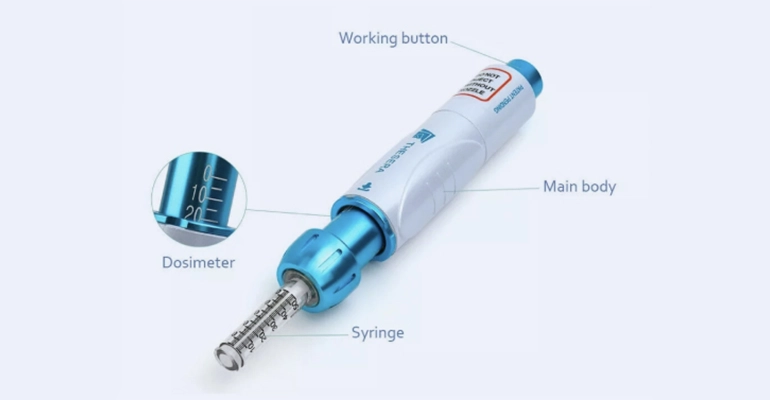
Then, anesthetic substance is administered under the skin using a special device. With this method, regional numbness is effectively achieved without the use of a needle. The anesthesiologist carefully performs this procedure, prioritizing the patient’s comfort.
Thanks to painless anesthesia, a painless and comfortable experience is experienced during the operation, while the rapid recovery process is also supported. The patient can quickly return to their daily activities with less bruising and swelling after the procedure.
This method, which is more modern and innovative than traditional needle anesthesia, reveals the advances in technology in the field of medicine. Thanks to painless anesthesia, patients feel safer and can complete their treatment processes without any problems.
What are the differences between painless anesthesia and traditional anesthesia?
The differences between painless anesthesia and traditional anesthesia are quite important. First of all, traditional anesthesia is usually applied using a needle, while painless anesthesia is usually applied locally in the form of a cream or spray. In this way, patients’ fear of needles is eliminated.
The second point of difference is the duration of effect. The effect of traditional anesthesia starts faster but wears off more quickly, while the effect of painless anesthesia may start slower but last for a long time.
In addition, while traditional anesthesia usually has an effect spreading throughout the body, painless anesthesia only acts locally on the specified area. This allows the patient to recover more quickly after the operation.
In conclusion, both types have their own advantages, and which type is preferred will depend on the situation and the patient’s preferences. They should contact their doctor to get the information they need.
Are There Any Side Effects of Painless Anesthesia?
Painless anesthesia usually causes minimal side effects. These side effects may include mild nausea, dizziness or drowsiness. However, these effects are usually short-term and temporary. It is important to rest and follow the instructions given by the specialist who administers the anesthesia.
The painless anesthesia method is preferred because it is less invasive than traditional needle use. It increases the comfort of the patients and allows for a faster recovery process. For this reason, it has become an alternative preferred by many people today.
In conclusion, Painless Anesthesia is one of the innovations offered by modern medicine and is applied reliably. After the procedure performed under the supervision of experts, patients can be discharged with relief and quickly return to their normal lives. In case of any health problems, the best step would be to contact your doctor.