Short answer
PRP (platelet-rich plasma) hair treatment concentrates platelets from a small sample of your own blood and injects them into the scalp to support weakening hair follicles. A session takes about 45 to 60 minutes with no downtime, a course is usually 3 to 4 sessions about a month apart, and results are assessed after 3 to 6 months.
What is PRP hair treatment?
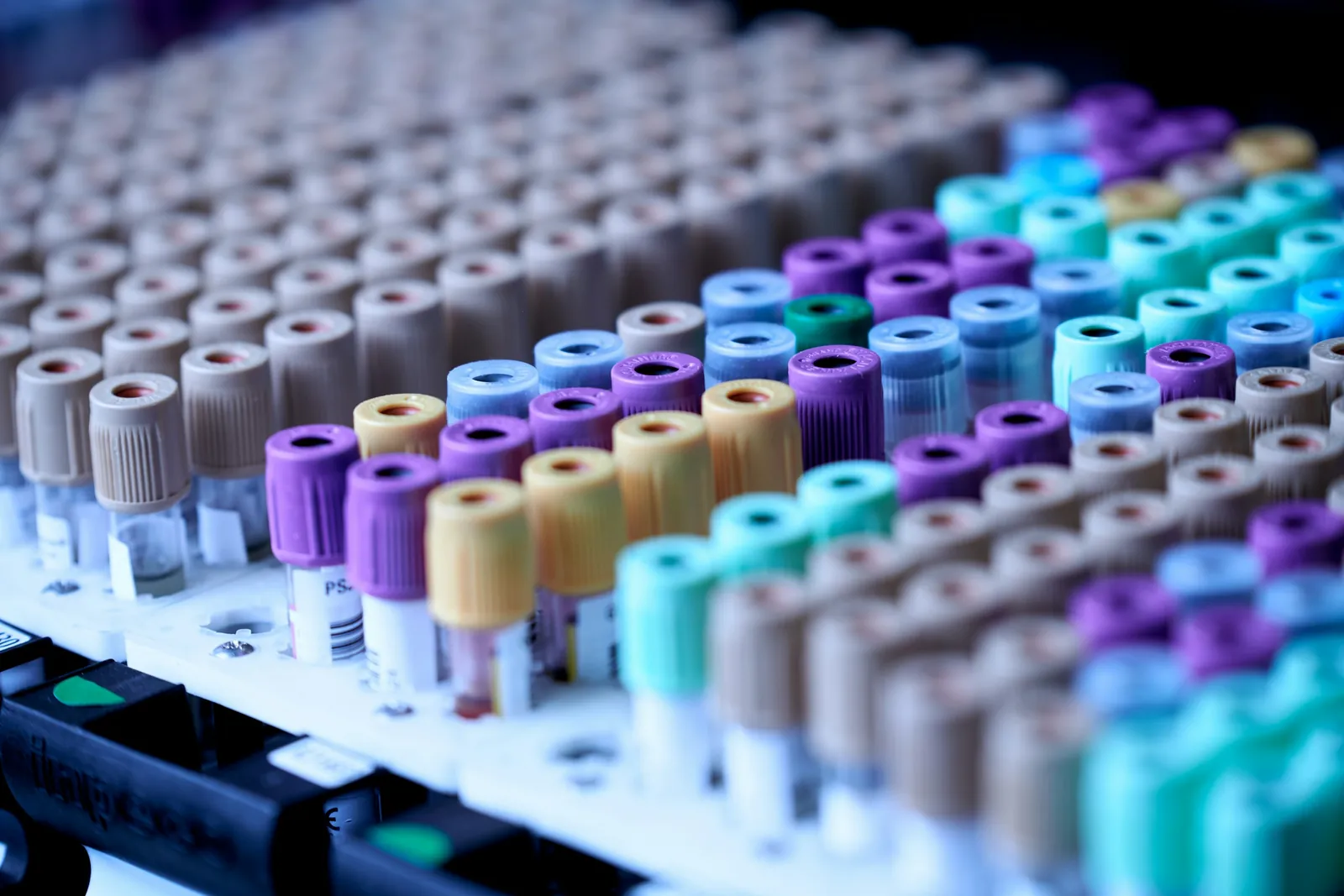
PRP stands for platelet-rich plasma. A small amount of your blood is taken and spun in a centrifuge to separate a plasma rich in platelets, which contain growth factors.
This plasma is injected into the thinning areas of the scalp. The aim is to support follicles that are weakening, improve hair calibre and slow shedding. It does not create new follicles where they have already gone.
Because PRP uses your own blood, nothing foreign is added to the plasma. The quality of the result depends on careful preparation and even placement across the thinning area.
Who is it for?
PRP is used on its own and alongside a hair transplant.
PRP is not suitable for everyone. It works best when follicles are still present but weakening, so it is less useful in areas that have been bald for a long time. Your doctor examines your scalp and explains what you can realistically expect before you start.
- Early to moderate thinning in men and women
- People who are not yet ready or suitable for a transplant
- Protecting native hair after a transplant
- Supporting healing and growth after a hair transplant
How the treatment is done
Blood is drawn from your arm, as in a routine blood test, and prepared in a centrifuge. The scalp is cleaned and the plasma is injected in small amounts across the treated area. The session usually takes 45 to 60 minutes.
PRP is included in every Metropolmed hair transplant package. If you travel for PRP alone, your coordinator can arrange your hotel and VIP transfers before you land.
PRP with a hair transplant
PRP is often used on the day of a hair transplant or soon after. It is thought to support healing in the donor and recipient areas and to help protect your existing hair.
A transplant moves follicles, but it does not stop your native hair from thinning over time. Regular PRP can be part of a long-term plan to keep the overall result looking full.
Many patients combine treatments for a better overall effect, and your doctor builds a plan around the cause and stage of your hair loss rather than a single fixed protocol.
Results and follow-up
Results build gradually. Most people who respond see less shedding and thicker hair after 3 to 6 months. Results vary between people, and maintenance sessions are usually needed, because PRP supports hair rather than stopping the cause of hair loss.
Risks and safety
Because PRP uses your own blood, allergic reactions are very unlikely. Mild tenderness, redness, a headache or small bruises can occur for a day or two. It is not suitable for some blood disorders, active infections or certain medications, so a doctor assesses you in person before treatment.
Recovery timeline
- Day 1Mild tenderness and redness; you can wash your hair the next day.
- Week 4Second session.
- Week 8-12Third and, if planned, fourth session.
- Month 3-6Results assessed; less shedding and thicker hair in people who respond.
- Month 6-12Maintenance sessions as advised.
Frequently asked questions
Does PRP work for hair loss?
PRP can help many people with early to moderate thinning by reducing shedding and improving hair thickness. Results vary, and it does not regrow hair where follicles have been lost.
How many PRP sessions do I need?
Usually a course of 3 to 4 sessions about a month apart, then maintenance sessions as your doctor advises.
Is PRP included with a hair transplant?
Yes. PRP is part of every Metropolmed hair transplant package, to support healing and your existing hair.
Is PRP painful?
Most people feel mild discomfort from the injections. A numbing method can be used to make the session more comfortable.