What Is a Gastric Balloon and How Does It Work?
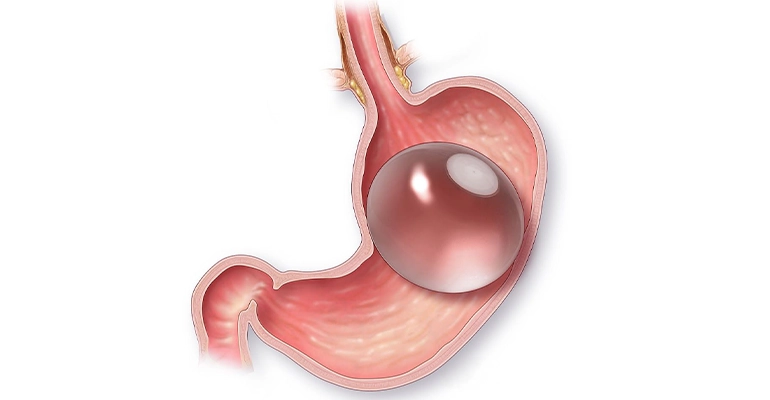
A gastric balloon is a treatment method used to support individuals battling obesity in their weight loss journey. In this procedure, a silicone balloon is endoscopically placed into the stomach. By occupying space in the stomach, the balloon helps reduce food intake and thus promotes weight loss.
Before the gastric balloon procedure, the patient’s overall health is evaluated to determine if they are a suitable candidate. A deflated balloon is inserted into the stomach with the help of an endoscope, and then inflated. The volume of the balloon can be adjusted based on the patient’s needs and the doctor’s recommendations.
The presence of the balloon in the stomach creates a feeling of fullness, preventing excessive calorie intake. The person feels satisfied with smaller portions, which helps with weight control. The gastric balloon is generally considered a temporary solution and should be monitored by a specialist physician.
How Is the Gastric Balloon Inserted and Removed?
The gastric balloon is a treatment method used to aid in weight loss. The insertion of the balloon requires an endoscopic procedure. While the patient is under general anesthesia, a deflated balloon is placed into the stomach through an endoscope and then filled with a saline solution.
Placing the balloon in the stomach usually takes 20 to 30 minutes, and local anesthetics are used to ensure the patient remains comfortable and pain-free. Proper placement of the balloon is crucial to ensure comfort and to achieve effective results.
Removal of the gastric balloon is also done endoscopically. The saline solution inside the balloon is aspirated, and the balloon is then removed with the help of the endoscopy device. The procedure is generally quick and painless, although some patients may experience mild discomfort.
To avoid any complications during insertion or removal, the procedure should always be performed by experienced and qualified medical professionals.
In Which Cases Is the Gastric Balloon Preferred?
The gastric balloon may be a suitable option for individuals struggling with obesity. When diet and exercise alone are not enough, this method can help accelerate weight loss and support overall health goals.
To be considered for a gastric balloon, a person’s body mass index (BMI) must fall within a certain range. Typically, individuals with a BMI between 30 and 40 are considered suitable candidates for this treatment.
Additionally, those with obesity-related health issues may also consider the gastric balloon. It may be used to help manage conditions such as diabetes or high blood pressure and is often chosen to improve overall health.
In summary, it is important to consult with a specialist before deciding on a gastric balloon. A personalized evaluation helps determine the most appropriate treatment plan for your health needs.
What Should Nutrition Be Like After Gastric Balloon Placement?
Nutrition after gastric balloon placement is very important. Eating small portions frequently can ease digestion and improve comfort. Consuming fiber-rich foods can enhance the balloon’s effectiveness. It is also recommended to avoid carbonated drinks and overly fatty foods.
When changing your eating habits, it is crucial to follow your doctor’s advice. Gastric balloon treatment can vary from person to person, so adhering to the diet plan tailored specifically for you by your specialist is the best course of action.
With healthy eating and lifestyle changes, gastric balloon treatment can yield successful results and support desired weight loss. Patience and discipline are key during this process. Remember, health is the most valuable asset of all!