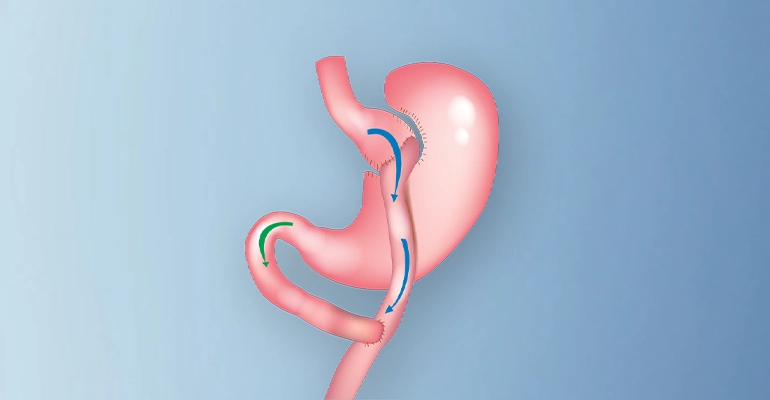
What Is Gastric Bypass Surgery and How Is It Performed?
Gastric bypass surgery is an effective surgical method in the fight against obesity. During this procedure, the stomach is reduced in size and a portion of the intestines is bypassed, thereby reducing nutrient absorption. It often plays a role in accelerating the weight loss process.
The surgery is typically performed using a laparoscopic (minimally invasive) technique. This allows for faster recovery and less pain for patients. During the operation, doctors proceed with great care to minimize risks.
The success rate of gastric bypass surgery is quite high, but each patient may respond differently. Your surgeon will create a personalized treatment plan and explain the details of the procedure.
If you’re considering this procedure, it’s essential to consult with a qualified healthcare team and ensure you have accurate information. Remember, gastric bypass surgery is a serious step, and you should carefully consider all aspects before making a decision.
What Are the Requirements for Gastric Bypass Surgery?
Gastric bypass surgery can be an effective option for individuals struggling with obesity. However, certain criteria must be met to qualify for this operation. Generally, doctors consider a body mass index (BMI) over 40, or over 35 with obesity-related health problems.
Being mentally and physically prepared for surgery is also crucial. Patients must be ready to make permanent lifestyle changes after the procedure. A thorough pre-operative evaluation process and tests directed by your doctor may also be required.
Before deciding on gastric bypass surgery, it’s very important to make an informed decision based on the guidance provided by your specialist. Ideal candidates are typically those with severe weight problems who haven’t achieved success with other weight loss methods. For this reason, it’s vital to carefully weigh the risks and benefits before proceeding.
Post-Gastric Bypass Exercise and Fitness Guide
Exercising after gastric bypass surgery plays an important role in the weight loss process. However, caution and adherence to your doctor’s recommendations are essential.
Avoid high-intensity workouts immediately after the operation. Start with lighter activities such as walking to stay active without overstraining your body.
Do not begin heavy workouts without consulting your doctor. Resistance exercises are also important for minimizing muscle loss, but they should be done in a controlled manner.
Listen to your body during exercise and avoid overexertion. If you feel discomfort, stop immediately and consult your doctor.
Remember to stay hydrated while exercising. Hydration is a cornerstone of a healthy lifestyle and remains crucial after surgery.
Consistent physical activity after gastric bypass surgery will support your weight loss journey.
Gastric Bypass vs. Sleeve Gastrectomy: Which Is More Effective?
Gastric bypass and sleeve gastrectomy are commonly used surgical techniques for obesity treatment. Both methods reduce stomach volume, helping individuals eat less. In gastric bypass, the stomach is reduced and a part of the intestines is bypassed to decrease nutrient absorption.
In sleeve gastrectomy, a large portion of the stomach is removed, transforming it into a thin tube. This reduces hunger hormone production and increases the feeling of fullness. Which method is more effective depends on the patient’s weight loss goals and overall health condition.
Both procedures have their own risks and benefits, so it’s essential to seek advice from a specialist. The most important factor is integrating a balanced diet and regular exercise into your lifestyle. Remember, every individual is different, so consult your doctor to determine which option is best for you.
Skin Sagging and Aesthetic Procedures After Gastric Bypass Surgery
After gastric bypass surgery, you may encounter aesthetic issues such as skin sagging. Fortunately, modern medical technologies have made it possible to address such concerns. With aesthetic procedures, you can tighten your skin and achieve a healthier appearance.
However, it’s crucial to consult your doctor before undergoing any cosmetic surgery. By maintaining the positive changes brought by gastric bypass, you can continue living a healthy and happy life. Always remember—your health and happiness come first!