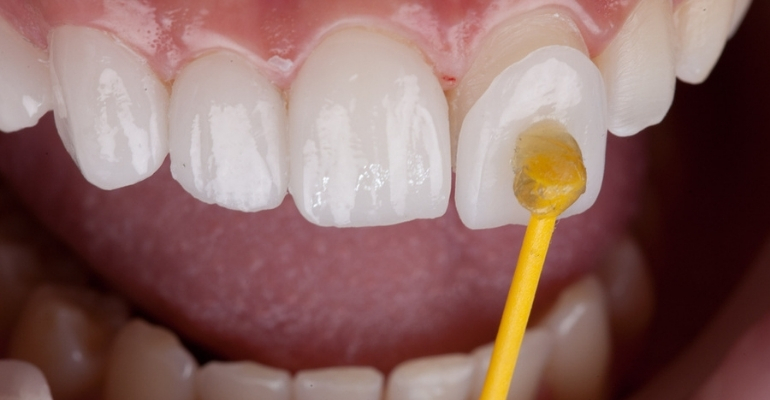
What are Porcelain Teeth?
Porcelain dental crowns are one of the closest alternatives to natural teeth in terms of aesthetics and functionality. These crowns are typically used on front teeth and are an ideal option for covering discolorations, cracks, irregularities, or shape issues in the teeth.
Porcelain material is known for its durability and longevity. Porcelain dental crowns are sturdier than other restoration options, allowing for comfortable use in daily activities.
The application process usually occurs in two stages. In the first step, the dentist will prepare the tooth by removing any damaged parts. In the second stage, impressions are taken, and a porcelain crown is prepared in the laboratory before being permanently placed.
Porcelain teeth closely resemble natural teeth, making them a preferred option for aesthetics. Additionally, they can be customized in various color options, allowing for a smile that best suits the individual.
Advantages and Disadvantages of Porcelain Dental Crowns
Porcelain dental crowns are noteworthy not only for providing an aesthetic appearance but also for their durability. These crowns perfectly match the color and shape of natural teeth, helping to eliminate imperfections in the smile.
One of the advantages is that porcelain is the material most similar to natural teeth. With a wide range of color options available, it is possible to achieve the desired tone and naturalness. Moreover, porcelain dental crowns are known for their longevity, which is a significant benefit.
However, the disadvantages should not be overlooked. The application process for porcelain dental crowns can be lengthier and more complex. There is also a risk of experiencing post-procedural sensitivity during the adjustment period.
In conclusion, while the aesthetic benefits of porcelain dental crowns are significant, factors such as maintenance requirements and cost should also be considered. It is important to conduct a thorough evaluation to determine the most suitable option for each individual.
How are Porcelain Dental Crowns Applied?
The application of porcelain dental crowns is primarily carried out by a qualified dentist. The first step involves a detailed discussion with the patient to identify their needs. The condition of the teeth is then assessed, and a treatment plan is created.
During the application, a thin layer of enamel is removed from the teeth, and the preparation process is completed. Next, digital impressions are taken to ensure the accurate placement of porcelain crowns, which are produced in the laboratory.
In the final step, the porcelain crowns are cemented to the teeth, and final checks are performed to achieve an aesthetic smile. Throughout the process, the patient’s comfort is prioritized, and each step is carefully monitored.
Durability and Longevity of Porcelain Dental Crowns
Porcelain dental crowns are an excellent option in terms of durability and longevity. These crowns can maintain their strength for many years. Since porcelain material has a structure similar to natural teeth, they are resilient to damage during daily activities.
Designed to suit daily consumption habits, porcelain dental crowns can be effectively used in chewing functions. They provide a comfortable experience without any issues while eating or brushing.
Compared to other crown options, porcelain dental crowns have a lower risk of color change or staining. They are known for maintaining their aesthetic appearance over the long term and can retain their brightness for years.
The longevity of porcelain dental crowns is another significant advantage. With proper care and maintenance, these crowns can have an extended lifespan, allowing for years of problem-free use after treatment.
Differences Between Porcelain Dental Crowns and Natural Teeth
The differences between porcelain dental crowns and natural teeth provide an important comparison in terms of aesthetics and functionality. While porcelain crowns offer a look that closely resembles natural teeth, they allow for personalized designs through various color options.
Aesthetic issues such as discoloration or staining, which can occur over time in natural teeth, can be resolved with porcelain crowns. Additionally, the durability of porcelain offers a long-lasting solution.
Functionally, the strength and durability of porcelain crowns are comparable to natural teeth, enabling comfortable chewing in daily life.
On the other hand, just like natural teeth, porcelain crowns require regular maintenance. It is essential to adhere to hygiene practices as advised by the dentist. However, this maintenance routine is generally straightforward compared to that for natural teeth.
In conclusion, porcelain dental crowns offer unique advantages and provide a modern aesthetic solution with their natural appearance.
Aesthetic and Functional Benefits of Porcelain Dental Crowns
Porcelain dental crowns not only enhance your smile but also boost your confidence. They closely resemble natural teeth and fit perfectly with your jaw structure. With a wide range of color options available, you can choose the most natural shade according to your personal preference.
In addition to their aesthetic appeal, the functional benefits of porcelain dental crowns are also significant. They protect your teeth, reduce sensitivity, and provide resistance to decay. Furthermore, they can be used comfortably without restrictions in eating and speaking functions.
With the advantages offered by porcelain dental crowns in terms of appearance and functionality, both your confidence and daily experience can be enhanced. You might want to consider porcelain dental crowns to enjoy the moments with your impressive smile.
Composition and Material Properties of Porcelain Dental Crowns
Porcelain dental crowns are a preferred option due to their aesthetic and durability qualities. The composition and material properties of these crowns are also important for oral health. Porcelain teeth are generally made from ceramic materials and have an appearance very similar to natural teeth.
Thanks to the high light transmittance of porcelain, an aesthetic result very close to natural teeth can be achieved. Additionally, porcelain is biocompatible, meaning it does not cause allergic reactions. This feature also adds to its reliability.
The durability of porcelain dental crowns is noteworthy. When properly cared for, they can be used for an extended period. Furthermore, they do not lose their color over time due to their color stability.
Typically custom-designed porcelain dental crowns are prepared to suit your oral structure. Given that it involves a sensitive process like other restorative treatments, it is important to consult a professional dentist.
In conclusion, thanks to the composition and material properties of porcelain dental crowns, it is possible to achieve successful results both aesthetically and functionally.
Color Options and Compatibility Process of Porcelain Dental Crowns
Porcelain dental crowns provide an excellent alternative to natural teeth with their aesthetic and functional benefits. Thanks to their color options and compatibility process, they offer personalized solutions that result in a natural smile. The durability and longevity of porcelain teeth ensure satisfaction over the long term, while their composition and material properties support their reliability.
The advantages of porcelain dental crowns for a healthy and aesthetic smile cannot be overlooked. This procedure, meticulously applied by expert dentists, is customized according to the patient’s needs. Porcelain dental crowns, which are almost indistinguishable from natural teeth, help individuals of all ages regain their smiles.