What is Septal Deviation?
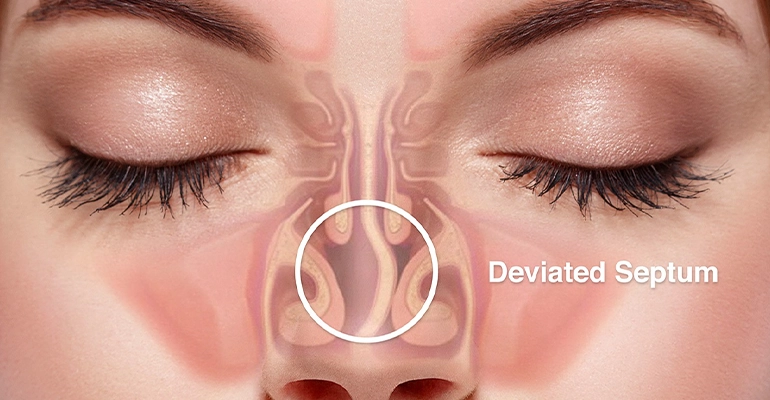
Septal deviation is a condition where the septum, the bone and cartilage structure inside the nose, is crooked or displaced. This condition is often congenital but can also result from nasal trauma. Septal deviation can cause the nasal cavity to become uneven, leading to difficulty in breathing due to blockages in the respiratory pathways. Additional symptoms may include nasal discharge, frequent sinusitis attacks, and snoring. If you experience these symptoms or discomfort in your nose, it is essential to consult a specialist.
To diagnose septal deviation, doctors typically perform a physical examination and may conduct endoscopy or imaging tests if necessary. Treatment options may include medication to relieve symptoms or surgical intervention.
Early diagnosis and treatment are crucial as septal deviation can lead to serious health issues. Timely intervention can help you return to breathing comfortably.
Symptoms and Treatment Options for Septal Deviation
Common symptoms of septal deviation include frequent nasal congestion, snoring, recurrent sinus infections, and headaches.
Treatment typically starts with medication to alleviate symptoms. For patients struggling to breathe, a surgical intervention known as septoplasty may be recommended. Septoplasty aims to correct the deviated septum and improve airflow.
It is crucial to consult an experienced ear, nose, and throat specialist to ensure an accurate diagnosis and appropriate treatment plan. Following your doctor’s recommendations can increase the chances of treatment success, with the primary goal being to enable the patient to breathe comfortably.
What Should Be Done for Easy Breathing? Solutions to Open the Airway
Nasal congestion can negatively affect daily life. The first step to easier breathing is addressing issues caused by septal deviation. There are several practical solutions to open the airways.
Firstly, using humidifiers can help alleviate dryness inside the nose and enable easier breathing. Taking warm showers or steam baths can also relieve nasal congestion.
Avoiding allergens is another important step. Steering clear of potential triggers like dust and pollen can help keep the airways clearer.
In some cases, doctors may recommend medications like decongestants or antihistamines. However, it is crucial not to use any medications without professional advice.
Breathing through the nose while exercising can also help widen the airways, facilitating better breathing. Regular exercise improves overall health and supports easier breathing.
Septal Deviation and Nasal Aesthetics: Aesthetic and Functional Improvement
The nose is an essential part of our face that affects both our appearance and the functionality of our airways. Septal deviation occurs when the cartilage and bone partition in the nose is curved or displaced. This condition can be aesthetically distressing and can obstruct airflow, leading to respiratory problems.
Individuals with septal deviation often experience nasal congestion, snoring, and headaches. Rhinoplasty, a surgical method, is often preferred to correct septal deviation. This operation can enhance both appearance and breathing.
Nasal aesthetic surgeries are typically performed through a procedure called nasal septoplasty. This operation corrects the septum and increases airflow through the nose. Consequently, patients can breathe better and achieve a more symmetrical nose.
Recovery After Septal Deviation Surgery and Permanent Changes in Breathing
The recovery process after septal deviation surgery may vary for each patient. It is normal to experience swelling, bruising, and mild pain inside the nose post-surgery. Regular use of medications as prescribed by your doctor is important for speeding up the healing process.
After surgery, it may be necessary to keep the nasal packs placed inside the nose in position. Being gentle during this time and avoiding strenuous activities will positively affect your recovery process.
Permanent changes in breathing may occur after the surgery, but these changes are typically positive. Once the breathing issue in the nose is resolved, the person can breathe more comfortably.
It is essential to attend regular follow-up appointments as determined by your doctor to monitor your recovery. Remember, each individual’s healing process is different, and by taking the right steps with patience, you can achieve the healthiest outcome.
What is Turbinate Cauterization?
Turbinate cauterization is a surgical procedure used to reduce the size of the turbinates inside the nose and facilitate easier breathing. This method may be necessary after septal deviation surgery and can help alleviate respiratory problems.
People experiencing septal deviation often struggle to breathe comfortably, negatively impacting their daily lives. However, it is possible to overcome these issues with the right treatment options.
Whenever you encounter any health issues, it is essential to consult an expert doctor. Accurate diagnosis and treatment are key to leading a healthy life.