Short answer
Yes, an unshaven hair transplant is possible for many patients. Grafts are taken from small, hidden strips in the donor area or from trimmed hairs, and implanted between existing hair, often with a DHI pen. It usually suits early to moderate hair loss and graft numbers up to roughly 2,000 to 3,000 in one session. Larger sessions normally need shaving. A doctor confirms what is realistic for you after an assessment.
Key takeaways
- An unshaven hair transplant keeps most of your existing hair at its current length.
- It usually suits early to moderate hair loss and lower graft numbers.
- DHI is often used because it places grafts between existing hairs.
- The donor area may be shaved in small strips that longer hair covers.
- Sessions often take longer and need more precision than shaven procedures.
- A doctor decides whether the method fits your case after reviewing photos.
What is an unshaven hair transplant?
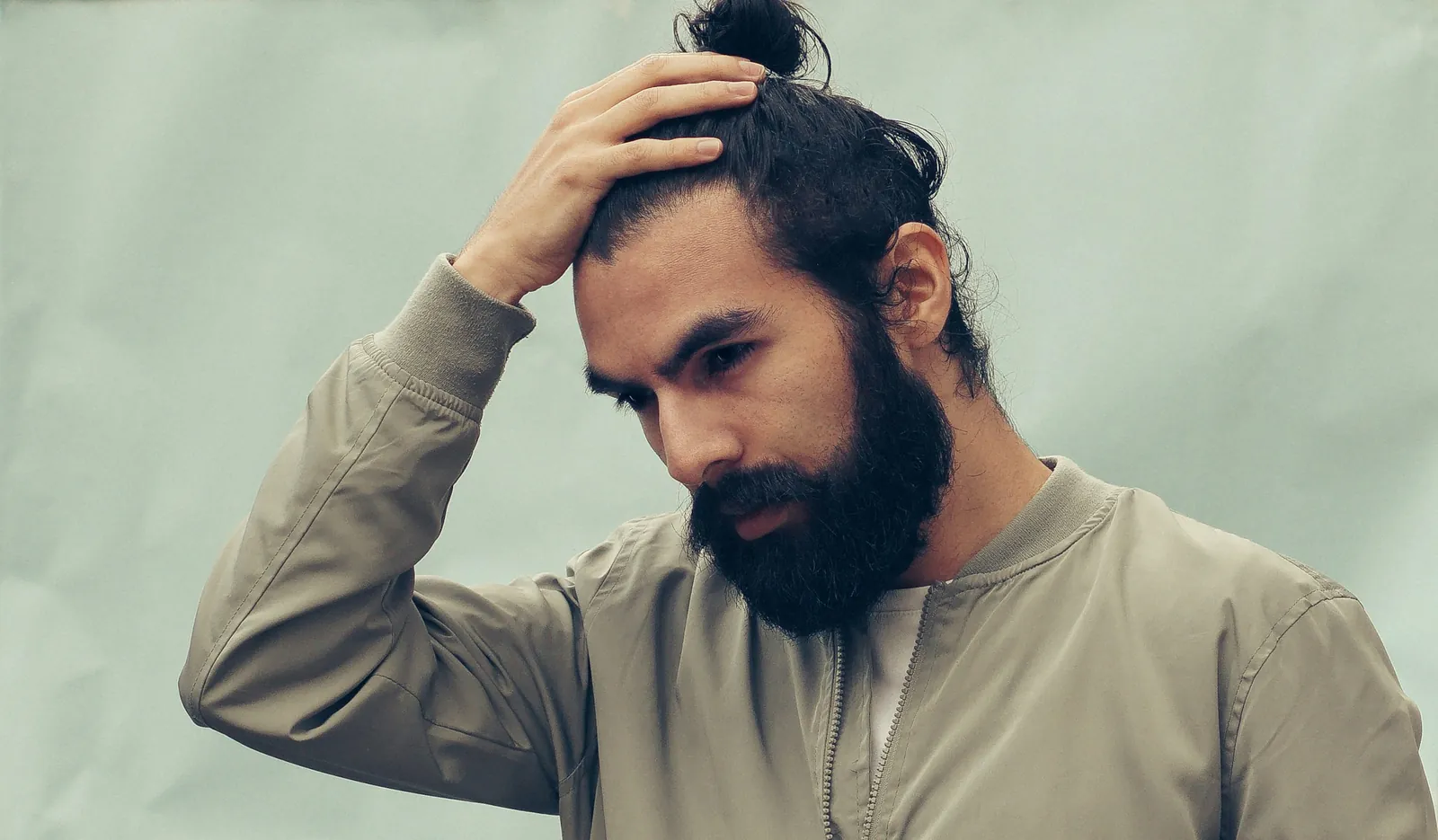
An unshaven hair transplant is a procedure in which the recipient area, and often most of the donor area, is not shaved to a short length. The aim is that you can return to daily life with your hairstyle looking much as it did before.
There are a few variations. In a fully unshaven procedure, the team works with long hair in both areas. In a partly shaven procedure, only narrow strips in the donor area are shaved and are then covered by the hair above them. In both, the grafts are implanted between your existing hair.
It is worth being clear about wording. Some clinics use the term for a procedure where only the recipient area stays long, while the donor area is fully shaved. Others mean that no visible shaving happens at all. Before you book, ask exactly which areas will be shaved, how short, and how the shaved strips will be hidden. A clear answer helps you plan time off work and avoids surprises on the day.
How does the procedure work?
Grafts are collected with the FUE method, one follicular unit at a time. If the donor hair is long, the team either trims selected hairs or shaves small hidden strips so they can see the follicles clearly.
For implantation, the doctor usually uses the DHI technique. The Choi pen allows each graft to be placed between existing hairs at the right angle, with less risk of damaging the hair already there. You can compare techniques in our article on DHI vs. Sapphire FUE.
Who is a good candidate for an unshaven hair transplant?
The method works best when there is still hair in the area being treated, so the new grafts are hidden among it during healing. Typical good candidates include:
- People with early hair loss or a receding hairline (often Norwood 2 to 3).
- Patients with diffuse thinning who want to add density.
- Women with thinning along the parting or hairline, see women's hair transplant.
- People who cannot take visible time off work or prefer privacy.
- Patients who need a small correction or refinement of an earlier transplant.
Shaven vs. unshaven: how do they compare?
This table shows typical differences. Exact limits depend on your donor area and hair type.
| Feature | Shaven (e.g. Sapphire FUE) | Unshaven / partly shaven |
|---|---|---|
| Typical graft range per session | Up to about 4,000 to 5,000+ | Usually up to about 2,000 to 3,000 |
| Visibility after surgery | Short hair and crusts visible | Largely hidden by existing hair |
| Session length | Usually shorter for the same graft number | Usually longer |
| Best for | Large areas, advanced hair loss | Early loss, hairline, density |
| Main technique | Sapphire FUE | DHI, sometimes combined |
| Aftercare | Standard washing routine | Standard routine, gentle with long hair |
What are the limits of an unshaven hair transplant?
The main limit is the number of grafts. Working through long hair takes more time and care, so most clinics keep unshaven sessions to moderate graft numbers. For very large areas, such as a bald crown and front together, shaving usually allows a safer and more even result.
Hair length also matters. Very long hair can make extraction harder, while hair that is a few centimetres long is often easiest to work with. If your hair loss is advanced, your doctor may suggest Sapphire FUE with shaving, or a two-stage plan. Our guide on how many grafts you may need explains how the number is estimated.
Hair type plays a part too. Straight, fine hair can make it harder to hide shaved donor strips, while thicker or wavy hair usually covers them well. Very curly hair can be worked unshaven, but extraction needs extra care because the follicles curve under the skin. Your doctor will explain how your hair type affects the plan before you travel.
What is recovery like?
Recovery is similar to other FUE procedures. You may have mild redness and small crusts for around 7 to 10 days, but they are usually covered by your existing hair. Swelling on the forehead can occur for a few days. Shedding of the transplanted hairs between weeks two and six is normal.
New growth usually starts around month three to four, and the final result is typically seen at 12 to 18 months. Treatments such as PRP may support healing. Read more in our recovery guide.
How do you find out if it is right for you?
The simplest step is a free online assessment. Send photos of the front, top, crown and back of your head, ideally with your hair at its usual length. A doctor reviews them and tells you whether an unshaven plan is realistic and how many grafts are likely needed.
At Metropolmed, our own medical team performs the procedure in our clinic in Istanbul, and we arrange the hotel, VIP transfer and interpreter for international patients. You can see results from real patients on our patient stories page, or contact us to start.
Frequently asked questions
Can a hair transplant really be done without shaving?
Yes, for many patients with early or moderate hair loss. Grafts are usually implanted between existing hair with a DHI pen. Larger sessions typically still need shaving.
How many grafts can be transplanted without shaving?
Usually up to about 2,000 to 3,000 grafts in one session, depending on hair length, donor density and the area treated. A doctor confirms the realistic number for you.
Will people notice that I had a hair transplant?
With an unshaven procedure, crusts and redness are usually hidden by your own hair. Some swelling or redness near the hairline may be visible for a few days.
Is an unshaven hair transplant more expensive?
It can take longer and needs more precision, which may affect the plan. Prices at Metropolmed are confirmed in writing after a free assessment.
Is the result different from a shaven procedure?
When the method fits the case, the final result can look equally natural. The difference is mainly how visible the healing phase is.
This article is general information and does not replace a medical consultation. Your doctor will give you a personal recommendation after assessing your case.